The Northern Vibe Project
We started by building a seat forecast. Then a harder question surfaced: not who wins the next election, but who answers for the country in between. Our goal is to make accountability visible, which is why we always ask: who governs, and who answers for it, riding by riding.
It is an independent effort to make Canadian politics easier to follow, for everyone, not just political scientists.
It began with the federal picture and no longer stops there. British Columbia is the first province to get coverage of its own, with its 93 provincial districts, its own parties, its own polling average, and its own projection for the Legislative Assembly.
La Nouvelle-Écosse est la deuxième, avec ses 56 circonscriptions, sa propre moyenne des sondages et sa propre projection pour l<house>Assemblée législative</house>.
L'Île-du-Prince-Édouard est la troisième, avec ses 27 circonscriptions, sa propre moyenne des sondages et sa propre projection pour l<house>Assemblée législative</house>. D'autres provinces suivront.
It brings together three things:
- The Platform at northernvibe.ca, where you can explore how public opinion translates into seats in the House of Commons and in provincial legislatures.
- The Publication, where we tell the stories behind the numbers in The 343 and Field Notes.
- Collaborations: partner projects that extend the work beyond our own tools.
Northern Vibe also makes it easy to reach your representative. Find your riding on the map to see past election results, census demographics, local news, and your MP's contact information.
By the numbers
The Platform
The interactive tools at northernvibe.ca. Everything below is live and free to explore.
Simulation Map
Every one of Canada's 343 ridings gets its own projection. Drag a scenario slider and watch seats shift in real time.
Open the map →Parliament
See how 343 seats divide across parties and provinces under any scenario. Explore the hemicycle, which ridings are most competitive, what flipped from today, and how the Cabinet would be affected.
View Parliament →Accountability
Thousands of Canadian political headlines are read and scored daily. Watch the media narrative shift and see how it moves the numbers.
View accountability →Issues Tracker
What do Canadians actually care about? Weekly Nanos/CTV polling — plus Angus Reid and Environics — tracks which issues are rising or falling in the public mind: cost of living, the economy, healthcare, and Canada-US relations.
Track the issues →Forecast
Every published national poll, averaged and corrected for each firm's house effect, then carried forward 1, 3 and 6 months by a Bayesian model of economic indicators, with calibrated uncertainty bands.
View the forecast →Couverture provinciale
Chaque province est un chantier distinct : les limites réelles des circonscriptions, le résultat certifié dans chacune, les partis qui s’y présentent et une moyenne tirée de ses propres sondages. C’est pourquoi elles arrivent une à la fois.
Projet partenaire
Un site distinct que nous aidons à bâtir. Maintenant ouvert à tous.
 En ligne
VoteLab vous permet d'explorer comment différents modes de scrutin, comme la représentation proportionnelle, le vote préférentiel et le système mixte avec compensation proportionnelle, transformeraient de vrais résultats électoraux canadiens. Un projet partenaire avec Springtide et Fair Voting BC.
The Publication
The stories behind the numbers, in two ongoing series.
The 343
A riding-by-riding tour of the country, one dispatch at a time, digging into the local dynamics, history, and demographics behind each of Canada's 343 seats.
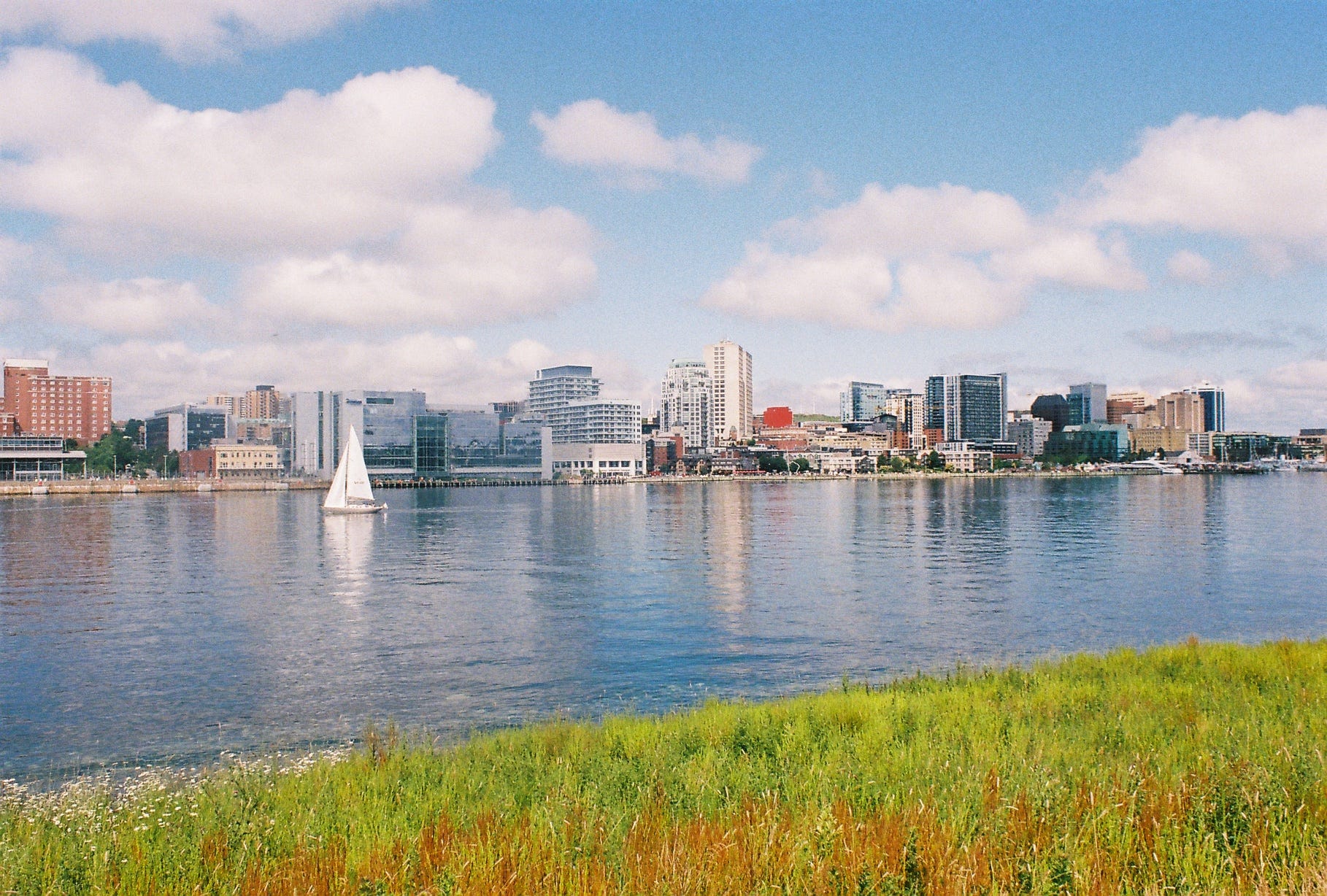
Introducing The 343: Halifax, NS
Where the riding-by-riding series begins, one seat at a time.
Read →Field Notes
Longer-form analysis on the forces shaping the numbers: polling shifts, the economy, the media narrative, and what the model is picking up week to week.
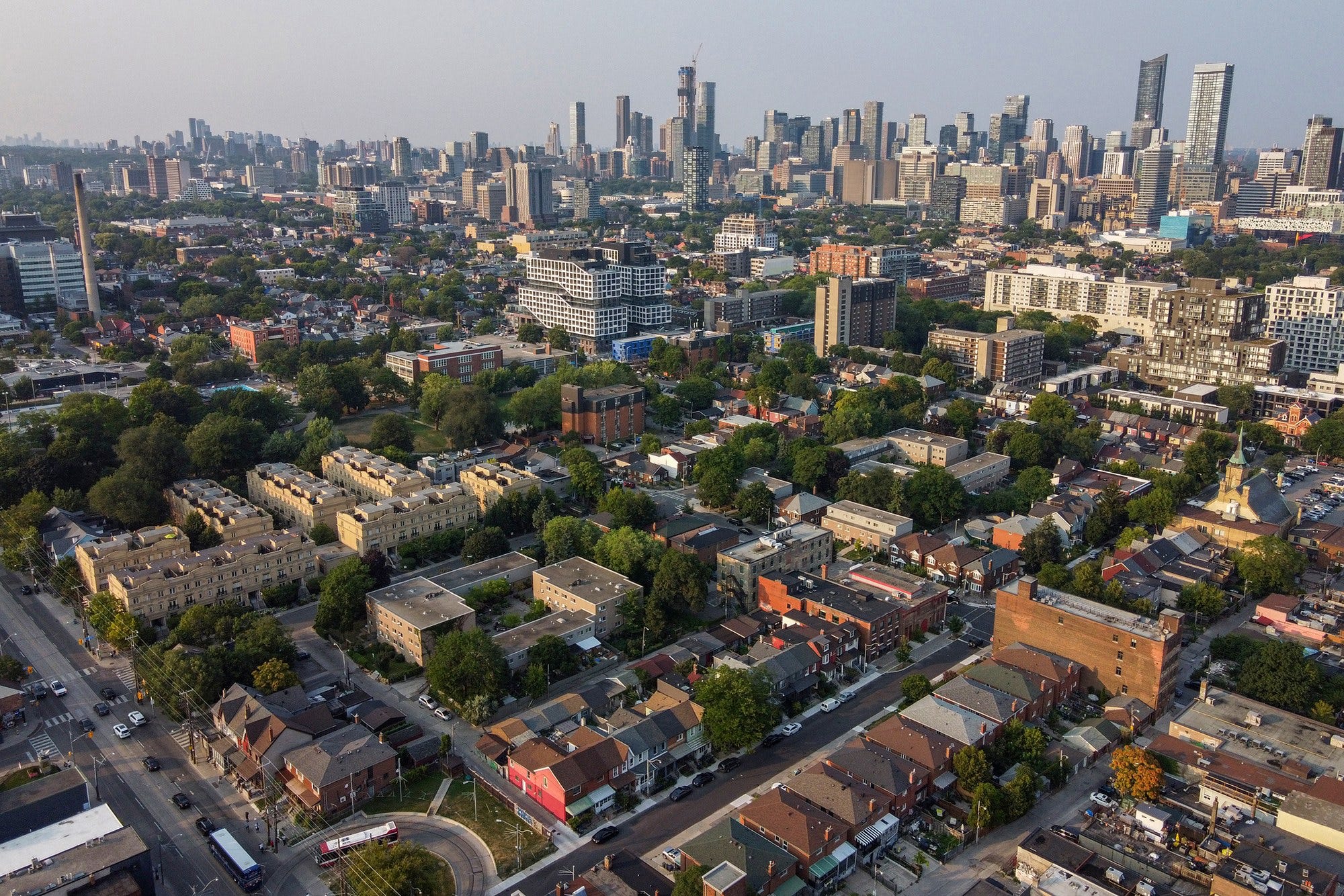
Who you vote for may depend on whether you own your home
The sharpest divide in Canadian electoral politics might be your mortgage.
Read →The Team

Matt Hickey
Founder and Data Analyst · Halifax, NS
Built Northern Vibe out of frustration with election coverage that reduces complex riding-by-riding dynamics to a single national poll number. The map tells a richer story.
PhD Biomedical Engineering, University of British Columbia

Caitlin Griffiths
Co-Founder and Political Analyst · Halifax, NS
Passionate about how politics shapes people's lives, and making that story easier to follow. Digs into riding-level dynamics and local context so readers can better understand the nuances.
International Development and Social Anthropology, Dalhousie University
Questions about the methodology? Media inquiries? Just want to talk Canadian politics?
We'd love to hear from you. See our FAQ for common questions.
Support Northern Vibe
Northern Vibe is independent and free. Subscribe to the newsletter, make a donation, or just spread the word.
Will always be ad-free.
Coming Soon
Features we're actively building. Check back soon.
Full French Language Support
In progressNavigation, riding cards, and all short UI text are now available in French. Switch using the FR / EN toggle in the top navigation bar. Full French translation of long-form content (methodology, forecasting explanations, and issue descriptions) is coming soon.
Crédits photo
Portraits des chefs de parti sur les pages de la Colombie-Britannique.
- David Eby: BC NDP, CC BY 2.0 (Wikimedia Commons)
- Lorne Doerkson: RoyalObserver, CC BY-SA 4.0 (Wikimedia Commons)
- Emily Lowan: Green Party of British Columbia, CC BY 4.0 (Wikimedia Commons)
- Dallas Brodie: OneBC, utilisée avec autorisation
- Elenore Sturko: CentreBC, utilisée avec autorisation
Portraits des chefs de parti sur les pages de la Nouvelle-Écosse.
- Tim Houston: CharlesFAllison, CC BY-SA 4.0 (Wikimedia Commons)
- Claudia Chender: Nova Scotia NDP, Public domain (Wikimedia Commons)
- Iain Rankin: SnowyBadger, CC BY-SA 4.0 (Wikimedia Commons)
- Anthony Edmonds: Green Party of Nova Scotia, photo du parti
Limites des circonscriptions et résultats électoraux de la Nouvelle-Écosse : Élections Nouvelle-Écosse. Données du recensement : Statistique Canada, Recensement de la population de 2021.
Portraits des chefs de parti sur les pages de l'Île-du-Prince-Édouard.
- Rob Lantz: Canada's Premiers (Council of the Federation), Public Domain Mark 1.0 (provenance)
- Hal Perry: Liberal Party of Prince Edward Island, photo du parti
- Matt MacFarlane: Green Party of Prince Edward Island, photo du parti
- Thomas Burleigh: New Democratic Party of Prince Edward Island, photo du parti
- Limites des circonscriptions de l'Île-du-Prince-Édouard : contient de l'information sous licence en vertu de l'Open Government Licence – Prince Edward Island.
- Résultats électoraux de l'Île-du-Prince-Édouard : contient de l'information sous licence en vertu de l'Elections PEI Open Data Licence.
- Données du recensement de l'Île-du-Prince-Édouard : Statistique Canada, Recensement de la population de 2021.